- October 12, 2026
Dr. George Patoulis: Greece and Cyprus Join Forces for Health, Peace and Tackling the Demographic Challenge
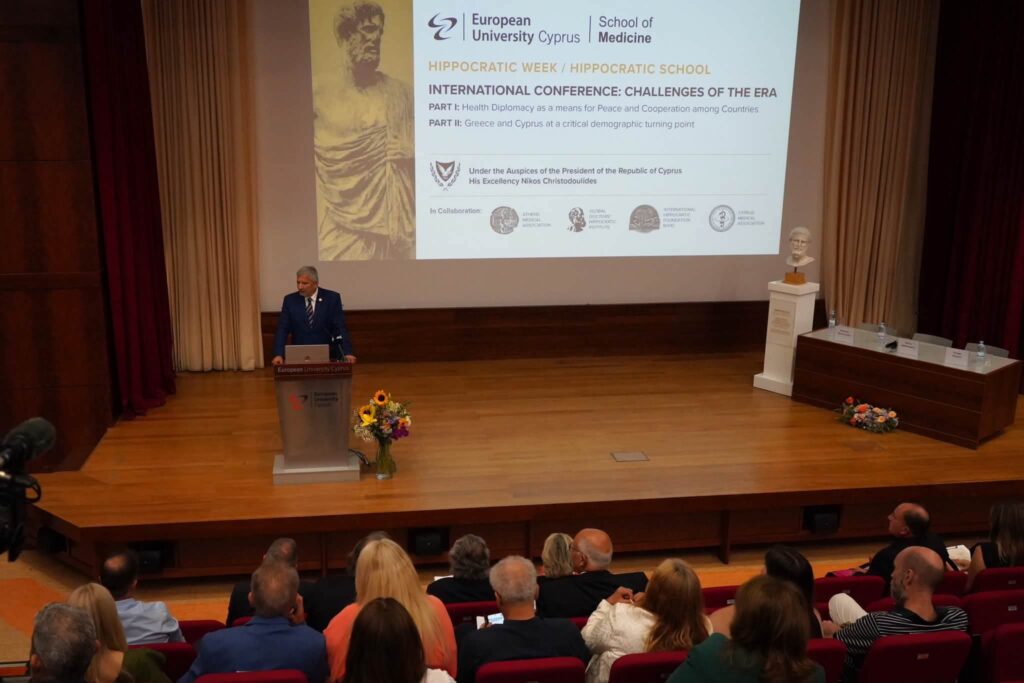
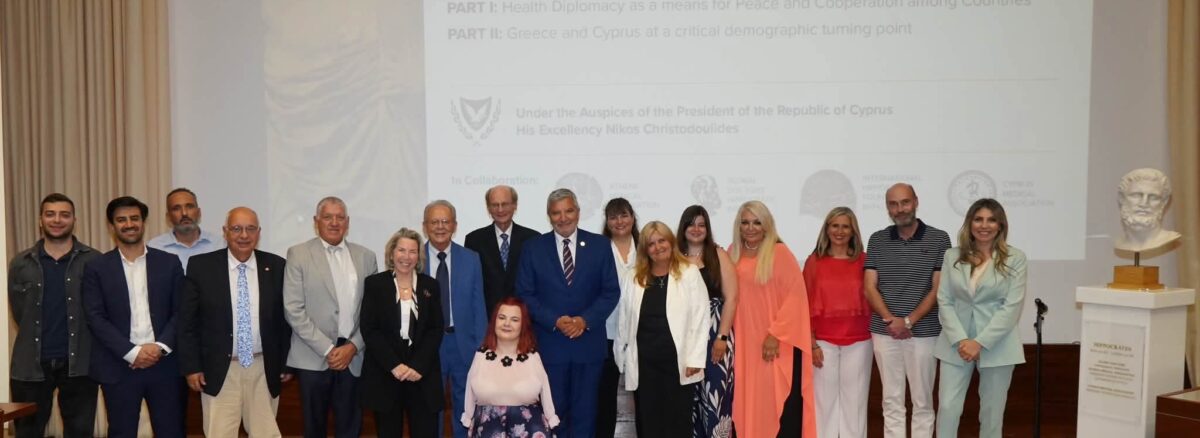
The international conference “Challenges of the Era” was successfully concluded at the School of Medicine of European University Cyprus in Nicosia, marking the opening of Hippocratic Week – Hippocratic School 2026, an initiative of the Global Doctors Hippocratic Institute (GDHI).
This year’s event, organised in collaboration with the Global Doctors Hippocratic Institute, the Athens Medical Association, the Cyprus Medical Association and the International Hippocratic Foundation of Kos, marked a particularly significant milestone for the institution, as Hippocratic Week commenced in Cyprus for the first time. This development highlighted the strong ties between Greece and Cyprus in the fields of Medicine and Public Health, while reaffirming the importance of the Hippocratic tradition as a timeless point of reference for cooperation, social responsibility, and respect for the human person.
The conference was held under the auspices of the President of the Republic of Cyprus, H.E. Nikos Christodoulides, and focused on two key themes: “Health Diplomacy as a Means of Promoting Peace and Cooperation among States” and “Greece and Cyprus at a Critical Demographic Turning Point.”
The conference was co-chaired by Dr. George Patoulis, President of the Athens Medical Association and the Global Doctors Hippocratic Institute, and Dr. Petros Agathangelou, President of the Cyprus Medical Association. Their joint leadership underscored the importance of coordinated action and close cooperation between the two countries in addressing contemporary challenges in Medicine and society.
Among those attending the event were Christoforos Hadjikyprianou, Chief Executive Officer and President of the Council of European University Cyprus; Neophytos Charalambides, Minister of Health of the Republic of Cyprus; Archbishop Georgios of Cyprus; Charalambos Prontzos, Mayor of Nicosia; Professor Kyriakos Nicolaides, Chair of the Conference’s Scientific Committee; E. Johnson, Dean of the School of Medicine at European University Cyprus; M. M. Caneva, Head of the Department of Health and Diplomacy at Campus Bio-Medico University Hospital; V. Polydorou, Assistant Professor at the School of Medicine of European University Cyprus; K. Pantos, Vice President of the Global Doctors Hippocratic Institute; A. Polydorou, Secretary General of the GDHI; S. Geroulanos, Vice President of the International Hippocratic Foundation of Kos; Monsignor Giorgio Chezza of the Apostolic Nunciature of the Holy See; H.E. Antonella Cavallari, Ambassador of the Italian Republic to the Republic of Cyprus; H.E. Domenico Giani, Ambassador of the Sovereign Military Order of Malta; and Khassim Diagne, Special Representative of the Secretary-General and Head of the United Nations Peacekeeping Force in Cyprus (UNFICYP).
Health Diplomacy as a Bridge to Peace and Cooperation
Throughout the conference, the role of Health and Medicine as bridges of communication between peoples and states was highlighted, alongside the potential of healthcare cooperation to promote peace, humanitarian action and international understanding.
Hippocratic thought, centred on the human person, scientific responsibility and solidarity, provided the common framework of values underpinning the discussions. It reaffirmed the enduring significance of Medicine not merely as a science, but also as a force for service, solidarity and cooperation.
A Common Demographic Policy for Greece and Cyprus
Particular emphasis was placed on the demographic challenge, one of the most significant issues facing Greece, Cyprus and Europe as a whole. Discussions focused on the impact of demographic change on Health, Education, social cohesion, the economy and the sustainability of healthcare systems.
Dr. George Patoulis, President of the Athens Medical Association and the Global Doctors Hippocratic Institute, highlighted the need to formulate a common demographic policy for Greece and Cyprus, based on long-term planning, continuity and coordinated action.
As he emphasised, addressing the demographic challenge jointly could serve as the starting point for meaningful cooperation between the two countries, with the aim of supporting families, improving quality of life and safeguarding the sustainability of local communities.
Within the framework of the relevant thematic discussion, the need for a Joint Demographic Declaration was also highlighted. Such a declaration would help transform shared concerns into concrete policies and targeted interventions.
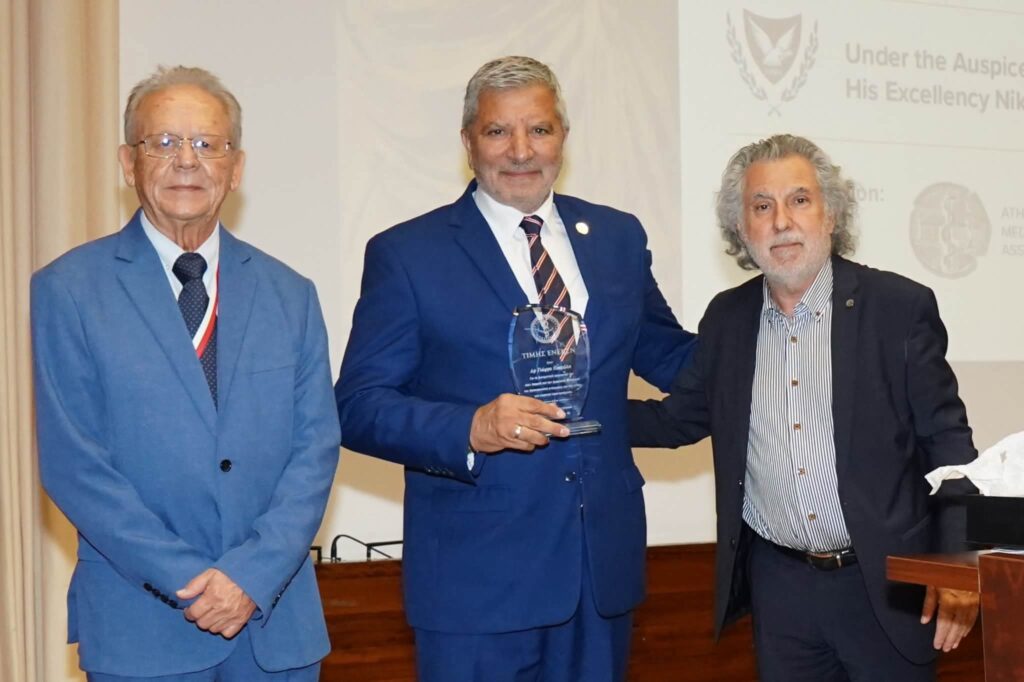
Furthermore, during the conference, Dr. Patoulis, President of the Athens Medical Association, received an award from Dr. Petros Agathangelou, President of the Cyprus Medical Association, in recognition of his longstanding contribution to the field of Public Health.
Hippocratic Week Continues Its Journey
The conclusion of the conference marked the continuation of Hippocratic Week – Hippocratic School 2026, which carries the message and values of the Hippocratic tradition from Cyprus to the international medical community.
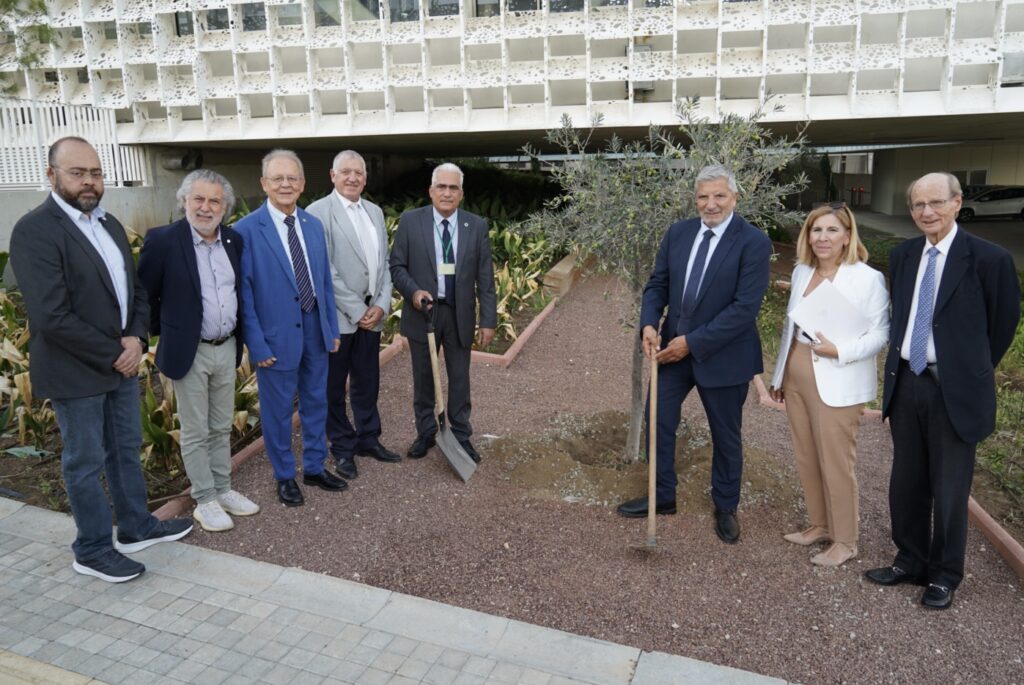
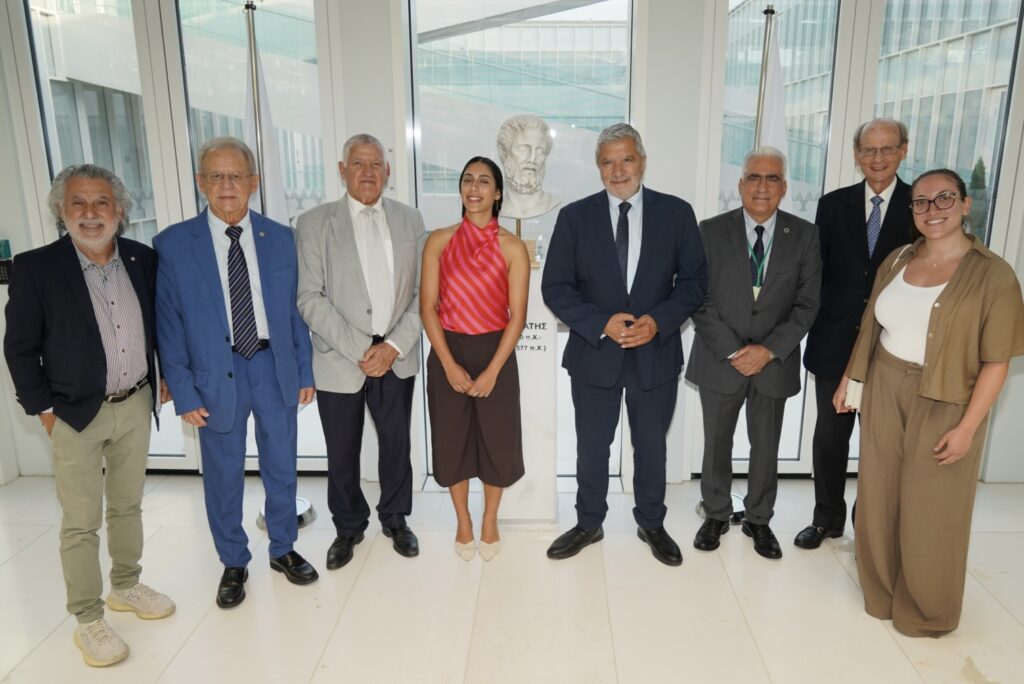
On Saturday, 10 October, the programme continued at the School of Medicine of the University of Cyprus with the unveiling of a bust of Hippocrates and the planting of an olive tree, symbolising peace, wisdom and victory.
At the same time, the event “A World for All”, featuring the participation of children from Special Olympics Cyprus, athletes from the Pancyprian Down Syndrome Association and primary school pupils from Nicosia, highlighted the importance of equality, inclusion and equal opportunities for all.
The Global Doctors Hippocratic Institute continues to promote the principles and values of Hippocrates, seeking to establish the Hippocratic medical tradition as a living foundation for international dialogue and cooperation in addressing the major challenges of our time.
The message of Hippocratic Week is clear: Health, Peace, solidarity and cooperation are the foundations of a better future, with the human person at the centre of every policy and every collective effort.